
 English
 Spanish
 French
 German
 Italian
 Chinese (Simplified)
 Japanese
 Korean
 Arabic
 Portuguese

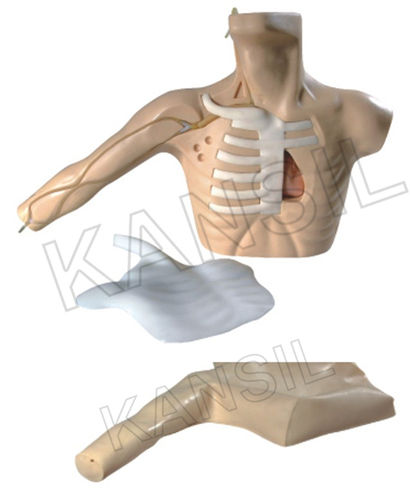
PICC Line (Peripherally Inserted Central Catheter)
Product Details:
- Power Type Non-powered
- Features Radio-opaque line, injection port, clamp, luer lock connector
- Weight Approximately 10 grams
- Use Intravenous access for long-term medication, nutrition, or blood sampling
- Size Varies by model; commonly 4 Fr diameter
- Style Single lumen
- Surface Finish Smooth, non-thrombogenic surface
- Click to View more
X
PICC Line (Peripherally Inserted Central Catheter) Price And Quantity
- 100 Box
- Individual sterile blister pack with peel-open pouch
- Up to 185 mL/hr
- Standard luer lock
- Included, stainless steel
- 3 years from manufacture
- Soft rounded tip for vein protection
- Ethylene oxide sterilized
- Latex-free
- Ultrasound or X-ray guided recommended
- Basilic, cephalic, or brachial vein
- Highly radiopaque for imaging
- Compatible with infusion pumps and syringes
PICC Line (Peripherally Inserted Central Catheter) Product Specifications
- Smooth, non-thrombogenic surface
- PICC-2870864
- Sterile, single-use pack
- Single lumen
- Easy insertion, reduces infection risks, suitable for extended use
- Peripherally Inserted Central Catheter
- Central venous access
- Intravenous access for long-term medication, nutrition, or blood sampling
- Varies by model; commonly 4 Fr diameter
- Medical grade polyurethane
- Translucent white with purple markings
- 4 Fr (French gauge), Length options: 40 cm, 50 cm, 60 cm
- Radio-opaque line, injection port, clamp, luer lock connector
- Flexible cylindrical tube
- Non-powered
- Adult and pediatric use
- Approximately 10 grams
- Individual sterile blister pack with peel-open pouch
- Up to 185 mL/hr
- Standard luer lock
- Included, stainless steel
- 3 years from manufacture
- Soft rounded tip for vein protection
- Ethylene oxide sterilized
- Latex-free
- Ultrasound or X-ray guided recommended
- Basilic, cephalic, or brachial vein
- Highly radiopaque for imaging
- Compatible with infusion pumps and syringes
PICC Line (Peripherally Inserted Central Catheter) Trade Information
- 500 Box Per Day
- 1 Week
Product Description
PICC Line (Peripherally Inserted Central Catheter)
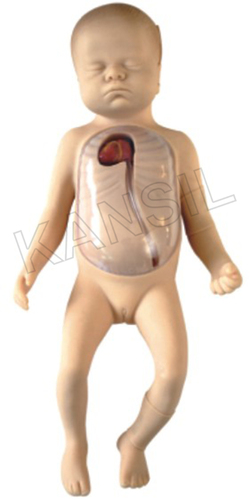
The model is suitable for central venipuncture of internal carotid vein and subclavical vein and peripheric venipuncture (arm veins) of cephalic vein.The cervical veins and arm veins can be filled with simulative blood.
Features:
- The model is a simulative right half of adult torso with right arm. There are apparent anatomical marks: clavicle suprasternal notch, stenocleidomastoid muscle,pectoralis major muscle, ribs and deltoid muscle.
- Lifelike veins: Superior vena cava, internal jugular vein, subclavical vein, cephalic vein, basilic vein and median cubital vein etc.
- With apparent anatomical marks, the model can be used to train puncture and catheterization of internal carotid vein, subclavical vein, cephalic vein and heart catheterization.
- The skin and veins can be replaced, Students will feel an apparent POP when puncture needle has been thrust into the veins.
- The heart floating swan-ganz intubation can be exercised
Safe and Easy Insertion
The PICC Line features a soft, rounded tip paired with medical-grade polyurethane construction, offering easy vein access while protecting delicate vessel walls. Ultrasound or X-ray guided insertion is recommended for accurate placement, ensuring safety during the procedure. The included stainless steel guide wire streamlines insertion, making it suitable for both adult and pediatric patients needing central venous access.
Superior Compatibility and Performance
Designed for versatility, this PICC Line works seamlessly with infusion pumps and syringes, supporting maximum flow rates up to 185 mL/hr. The standard luer lock connector and injection port facilitate a wide range of infusion and sampling applications, while the highly radiopaque line ensures visibility during imaging. Its latex-free, translucent white design with purple markings helps distinguish lumens and prevent allergic reactions.
Sterile and Long-lasting Packaging
To maintain high levels of sterility, each PICC Line is individually packaged in a blister pack with a peel-open pouch, suitable for quick deployment in clinical settings. The product is ethylene oxide sterilized with a three-year expiration window from the date of manufacture, ensuring consistent reliability for extended intravenous treatments and reduced infection risks.
FAQs of PICC Line (Peripherally Inserted Central Catheter):
Q: How is the PICC Line inserted, and what imaging methods are recommended?
A: The PICC Line should be inserted using ultrasound or X-ray guidance to ensure precise placement in the selected vein, such as the basilic, cephalic, or brachial vein. The procedure is facilitated by the included stainless steel guide wire and the soft, rounded tip which protects the vein during insertion.Q: What are the main benefits of this PICC Line for long-term intravenous therapy?
A: This PICC Line reduces infection risks due to its smooth, non-thrombogenic surface and single-use, sterile packaging. It is latex-free, suitable for both adults and children, and features highly radiopaque lines for easy imaging, making it ideal for extended use in medication delivery, nutrition, or blood sampling.Q: When should a healthcare provider choose this specific PICC Line size and length?
A: Selection depends on patient need, with 4 Fr diameter options and lengths of 40, 50, or 60 cm suited for various anatomical requirements. It is suitable for adults or pediatric patients requiring central venous access for long-term infusions or blood draws.Q: Where is the recommended site for this PICC Line insertion?
A: The preferred insertion sites are the basilic, cephalic, or brachial veins in the upper arm. Selection should be based on vein accessibility and patient condition, guided by ultrasound or X-ray for optimal placement.Q: What sterilization method is used and how does it ensure patient safety?
A: Each PICC Line is sterilized using ethylene oxide, a method that effectively eliminates microbial contaminants. The product is then individually sealed in a sterile blister pack, maintaining its integrity until use and minimizing infection risks.Q: How long can the PICC Line be stored, and how is it packaged?
A: The product carries a three-year expiration date from its manufacture and comes in an individual sterile blister pack with a peel-open pouch. This ensures the device remains safe and ready for immediate use in clinical environments.Tell us about your requirement

Price:
Quantity
Select Unit
- 50
- 100
- 200
- 250
- 500
- 1000+
Additional detail
Mobile number
Email

Other Products in 'Medical Models' category


- N. C. KANSIL & SONS
GST : 07AAAFN3555B1ZP - Kansil Bhawan, 8606, Model Basti,New Delhi - 110005, India
- Phone :08045479865
-



- Key Personnel
- Mr. Alok Kansil (Partner)
- Mobile :08045479865
- nck.digimkt@gmail.com
- WHAT'S APP : (+91-9310512020)
 Send Inquiry
 |
N. C. KANSIL & SONS
All Rights Reserved.(Terms of Use) Developed and Managed by Infocom Network Private Limited. |
